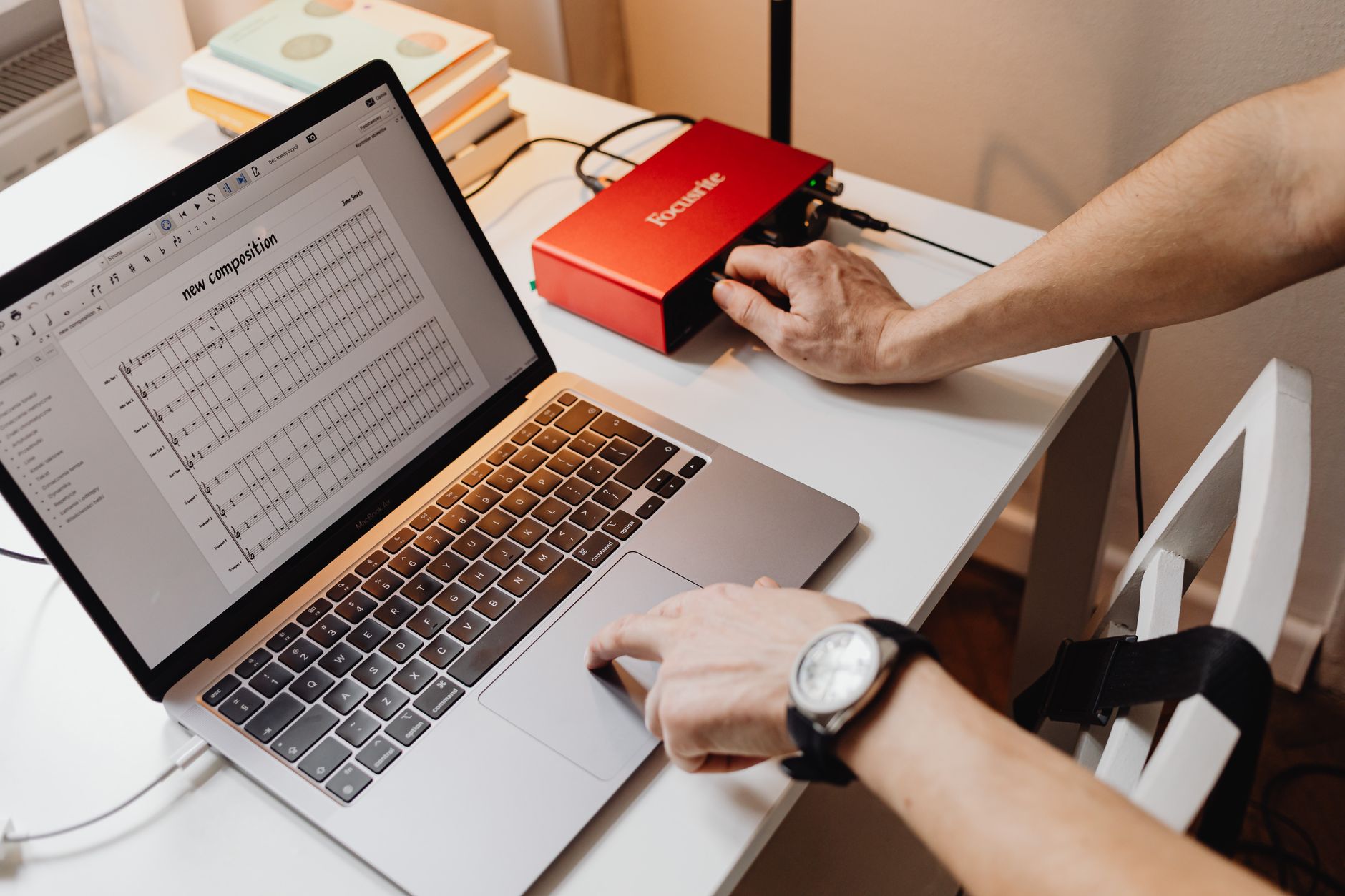
Social platforms change algorithms overnight. The best website for musicians is one you own—where you control the fan list, the revenue, and the relationship. Here's how to build a home base that works.
1. Self-Hosted WordPress Site
WordPress is widely used for a reason: full control, thousands of music-focused themes, and plugins for selling music, merch, and tickets. You own the data, the design, and the monetization strategy. Pair it with reliable hosting from HostGator to keep your site fast and secure.
Example: Install WooCommerce to sell digital downloads and physical merch directly. Add a mailing list plugin like Mailchimp for WordPress, embed Spotify players, and create a blog to document your process. You're not renting space—you're building equity.
2. Custom Domain Portfolio Site
A clean, single-page portfolio with your bio, press photos, music embeds, tour dates, and contact form covers 80% of what industry pros need to see. No clutter, no distractions. Register your artist name as a domain and point it to a simple HTML/CSS site or a no-code builder.
Example: yourname.com with sections for Listen, Watch, Shows, Press, Contact. Link to streaming platforms and your store, but keep fans on your domain as long as possible. Every click away is a lost conversion.
3. Integrated E-Commerce + Streaming Hub
Combine a storefront with embedded players from Spotify, Apple Music, and YouTube. Fans discover your music and buy merch in one session. Use Shopify or WooCommerce with music player widgets to create a seamless experience.
Example: Feature your latest single at the top with a Spotify embed, then immediately below it, a "Buy the Vinyl" button. Contextual and immediate calls to action improve conversion when the ask matches the moment.
4. Mailing List Landing Page
Your email list is the only fan database you truly own. A dedicated landing page offering a free download, exclusive track, or early ticket access in exchange for an email address is the highest-ROI page you can build. Use ConvertKit, Mailchimp, or Substack to manage the list.
Example: "Get my new EP free—just drop your email." Link this page in your Instagram bio, YouTube descriptions, and every social post. One thousand engaged email subscribers beats ten thousand Instagram followers who never see your posts.
5. Press Kit + EPK Microsite
Booking agents, playlist curators, and journalists need fast access to high-res photos, bio, streaming stats, and contact info. A dedicated Electronic Press Kit (EPK) site makes their job easier and makes you look professional. Use a subdomain like press.yourname.com.
Example: Include downloadable assets (logos, photos in multiple resolutions), embedded music videos, Spotify monthly listener count, and a one-sheet PDF. Add a contact form that goes directly to your manager or booking agent.
6. Membership or Patreon-Style Platform
Offer tiered access to exclusive content: demos, behind-the-scenes videos, early releases, or monthly Zoom hangouts. Platforms like Patreon work, but self-hosted membership plugins (MemberPress, Restrict Content Pro) let you keep more revenue and own the relationship.
Example: $5/month tier gets early access to singles. $20/month gets a monthly acoustic video and a handwritten postcard. Recurring revenue smooths out the feast-or-famine cycle of releases and tours.
7. Direct-to-Fan Music Distribution Page
Sell your music directly via Bandcamp embeds, Gumroad, or a custom checkout. You keep significantly more revenue than you would from streaming. Pair this with smart distribution to streaming platforms using DistroKid or TuneCore to maximize reach and revenue. SONIQ may earn a commission from these links.
Example: Offer your album for $10 as a download with bonus tracks or stems. Fans who care enough to visit your site are fans who will pay. Streaming is discovery; your website is monetization.
8. Blog + Content Hub
A blog builds SEO authority, gives fans insight into your creative process, and creates evergreen content that drives traffic for years. Write about songwriting, gear, tour stories, or your influences. Each post is a new entry point for discovery.
Example: Write a post breaking down the lyrics and production of your latest single. Link to how to write song lyrics for beginners if you're sharing songwriting tips, or Suno prompt guide if you're discussing AI tools in your workflow. Google indexes this content, and fans searching for those topics find you.
9. Tour Date Calendar + Ticket Sales
Embed a live calendar with Bandsintown, Songkick, or a custom events plugin. Sell tickets directly or link to the venue's box office. Make it dead simple for fans to see when you're in their city and buy tickets without leaving your site.
Example: A filterable calendar by city or state, with "Buy Tickets" buttons that open in a new tab. Add a mailing list signup for tour announcements so fans never miss a show.
10. Video + Podcast Embed Hub
If you're creating video content or running a podcast, your website is the central archive. Embed YouTube videos, host audio with Transistor or Libsyn, and create show notes with timestamps. This positions you as more than just a musician—you're a media brand.
Example: A "Videos" page with every music video, lyric video, and behind-the-scenes clip embedded. A "Podcast" page with episode players and links to Spotify and Apple Podcasts. Fans binge content, and you control the experience.
11. Lyrics Database + Songwriting Portfolio
Post your lyrics with annotations, stories behind the songs, or production notes. This builds a searchable archive, helps with SEO (people search "[song title] lyrics" constantly), and showcases your craft. If you're a songwriter for hire, this doubles as a portfolio.
Example: Create a page for each song with full lyrics, a Spotify embed, and a paragraph about what inspired it. Link to how to make a musician website that sells music and merch for a deeper dive on building this out. Producers and artists searching for collaborators will find you through Google.
The best website for musicians is the one you control. Social platforms are rented land; your site is owned property. Build it, link to it everywhere, and treat it as the hub of your entire operation. Everything else—streaming, social, press—should drive traffic back to your domain.
Frequently Asked Questions
Do I really need my own website if I'm on Spotify and Instagram?
Yes. Streaming platforms and social media can change algorithms, shut down features, or disappear entirely. Your website is the only digital asset you fully own. It's where you capture emails, sell directly, and control the narrative without competing with an algorithm.
What's the minimum I need on a musician website?
Bio, music embeds, contact info, and an email signup form. Everything else—merch store, blog, press kit—is a bonus. Start simple, launch fast, and add features as you grow.
Should I use a website builder or hire a developer?
Start with a builder (WordPress, Squarespace, Wix) if you're on a budget. Hire a developer when you need custom features like membership tiers, advanced e-commerce, or API integrations. Most musicians never need custom code.
If you're working on lyrics or song ideas, try SONIQ's AI songwriting tools to speed up your creative process.
Related reading
- How to Make a Musician Website That Sells Music and Merch
- Music Publishing 101: How to Protect and Monetize Your Songs
- How to Change Lyrics in Suno and Keep the Music
Photo by https://kaboompics.com/ on Pexels