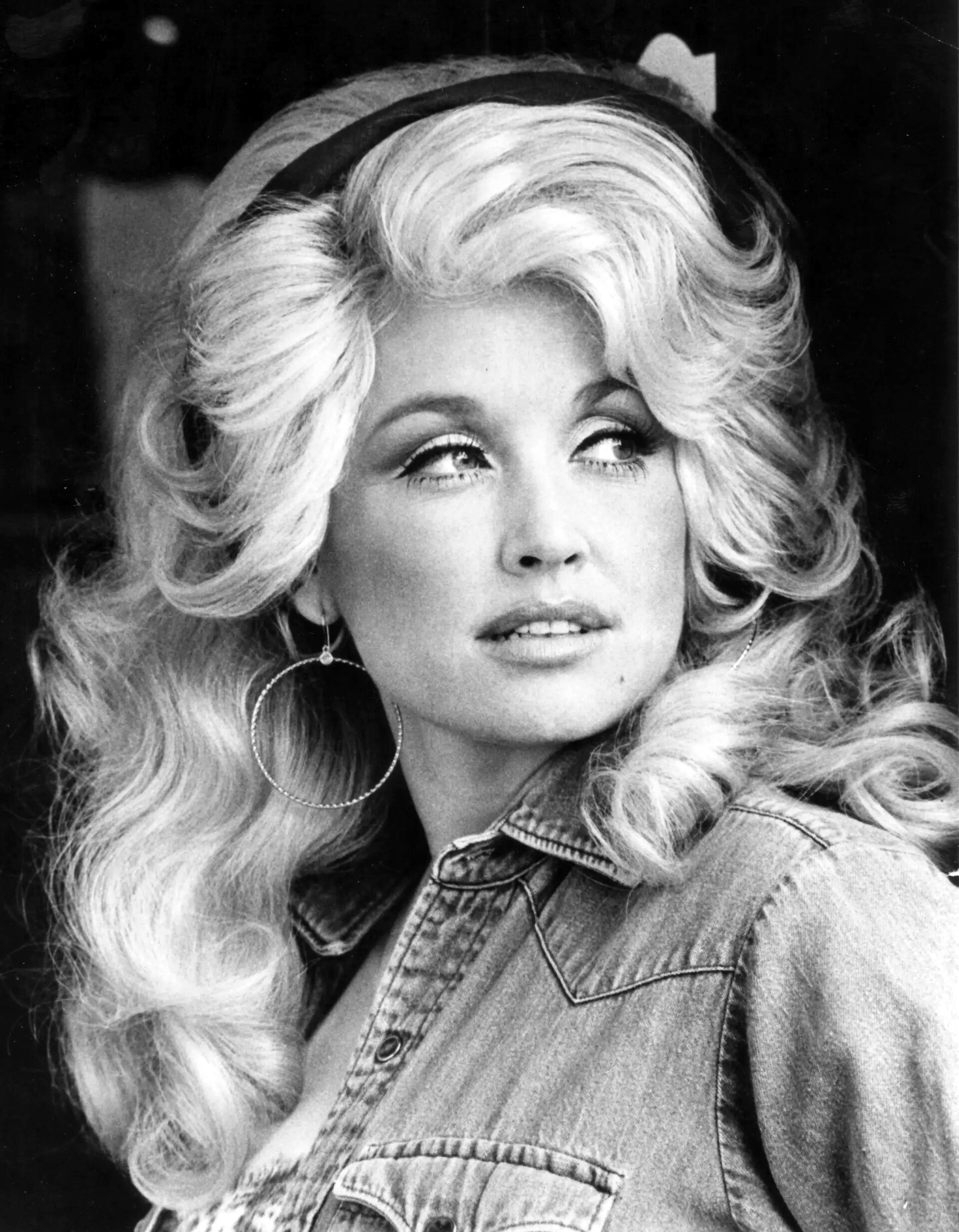
Dolly Parton wrote "I Will Always Love You" in 1973, and when Elvis Presley wanted to record it, his manager demanded she sign over half the publishing rights. She refused, cried all night, and years later made enough money from Whitney Houston's version to joke she could "buy Graceland." That's not hyperbole—Houston's recording became the best-selling single by a woman in history.
Most people still don't know Parton wrote it. Her manager confirmed that American Idol revealed how many listeners assumed Whitney Houston was the original artist. The song has now been recognized by BMI for over ten million broadcast performances, recorded by dozens of artists, and remains one of the most enduring breakup songs ever written. If you're working on lyrics and need a tool to structure your ideas, a free AI lyrics generator can help you draft and refine faster.
Who Actually Wrote "I Will Always Love You"
Dolly Parton wrote and originally recorded "I Will Always Love You" in 1973. She recorded it at RCA Studio B in Nashville on June 12, 1973. The song was written as a farewell to Porter Wagoner, her business partner and mentor, after their seven-year professional partnership. Parton was leaving to pursue a solo career, and the song expressed both her gratitude and her decision to move on.
Parton released the song as a single in March 1974 from her album Jolene. It hit number one on the Billboard Hot Country Songs chart in June 1974. She re-recorded it in 1982 for The Best Little Whorehouse in Texas soundtrack, and it hit number one again in October 1982.
Whitney Houston's 1992 pop-ballad version for The Bodyguard changed everything. Houston's recording spent 14 weeks at number one on the Billboard Hot 100. It went number one in 34 countries, sold over 24 million copies worldwide, and became the best-selling single of 1992. It was certified diamond by the RIAA and won Houston the Grammy for Record of the Year and Best Pop Vocal Performance, Female in 1994.
What Dolly Parton Was Going Through When She Wrote It
Parton wrote the song to soften the blow of leaving Porter Wagoner's show. She had worked with Wagoner since 1967, appearing on his television program and touring with him. By 1973, she was ready to build her own career, but the split was delicate. The song was her way of saying goodbye without burning the bridge.
Author Curtis W. Ellison described the song as speaking "about the breakup of a relationship between a man and a woman that does not descend into unremitting domestic turmoil, but instead envisions parting with respect—because of the initiative of the woman." Parton's approach was rare: she centered gratitude and respect rather than bitterness or regret.
During an interview on The Bobby Bones Show, Parton revealed she wrote "Jolene" on the same day she wrote "I Will Always Love You." She later clarified that early demo versions of both songs were recorded on the same cassette tape and might have been written a few days apart. Either way, it was an extraordinarily productive creative period.
The Elvis Story and What It Cost Her
When Parton's 1974 recording hit number one on the country charts, Elvis Presley expressed interest in recording the song. Parton was thrilled—until his manager, Colonel Tom Parker, told her it was standard procedure for songwriters to sign over half the publishing rights to any song Elvis recorded. Parton refused.
She recalled: "I said, 'I'm really sorry,' and I cried all night. I mean, it was like the worst thing. You know, it's like, 'Oh, my God… Elvis Presley.' And other people were saying, 'You're nuts. It's Elvis Presley.' […] I said, 'I can't do that. Something in my heart says, Don't do that.' And I just didn't do it[…] He would have killed it. But anyway, so he didn't. Then when Whitney [Houston's version] came out, I made enough money to buy Graceland."
That decision protected her publishing and set her up for the windfall that came nearly two decades later. It's a textbook case of why understanding music publishing matters for every songwriter.
How the Song Performed Across Decades
Parton's original 1974 single reached number one on the Billboard Hot Country Songs chart in June 1974. Her 1982 re-recording for The Best Little Whorehouse in Texas hit number one on the country chart again in October 1982.
Whitney Houston's 1992 version dominated globally. It spent 14 weeks at number one on the Billboard Hot 100. It went number one in 34 countries, was certified diamond in the U.S., and sold over 24 million copies worldwide—the best-selling single by a female solo artist ever. It was the world's best-selling single of 1992. Houston won two Grammys for the single in 1994: Record of the Year and Best Pop Vocal Performance, Female. She also won Album of the Year for The Bodyguard soundtrack.
The song has been covered by Linda Ronstadt, Kenny Rogers, LeAnn Rimes, Christina Grimmie, Amber Riley, John Doe, and even the cast of VeggieTales. Sarah Washington's dance version reached number 12 on the UK Singles Chart. BMI has recognized the song for over ten million broadcast performances.
Why "I Will Always Love You" Still Works
The song's structure is deceptively simple. It's set in common time at 66 beats per minute—slow, deliberate, and emotionally direct. The melody climbs gently through each verse, building to the title phrase without overcomplicating the arrangement. Parton's original is sparse: voice, acoustic guitar, minimal production. Houston's version added orchestration and vocal power, but the bones of the song remained unchanged.
The hook is the title itself, repeated with slight variation each time: "I will always love you." Six words, maximum emotional weight. It's a promise and a farewell at the same time, which creates tension without conflict. The lyric avoids cliché by focusing on gratitude rather than loss. Lines like "bittersweet memories" acknowledge complexity without dwelling on pain.
The structure follows a classic verse-chorus pattern, but the chorus is short—just the title phrase repeated. That brevity makes it memorable and singable. The song doesn't overstay its welcome. Parton understood that a chorus that sticks doesn't need to be long; it needs to be clear. The emotional arc moves from acknowledgment to acceptance to blessing, which feels complete without being preachy.
Robert Christgau noted that the song's "writing gets mawkish" but Parton's voice compensated for it. That's the craft: the lyric walks a line between sincerity and sentimentality, and the performance sells it. Rolling Stone later ranked it Parton's third-best song, calling it an "unfeigned expression of gratitude." Billboard deemed it her best song and a "love song for the ages."
What Songwriters Can Steal From "I Will Always Love You"
- Write the goodbye without the blame. Parton centered gratitude and respect instead of anger or regret. That emotional clarity made the song universal. Breakup songs don't have to be bitter to be believable. The specificity of her situation—leaving a professional partnership—translated into something anyone ending a relationship could feel.
- Protect your publishing, even when it hurts. Parton turned down Elvis Presley because she trusted her instinct to keep her rights. That decision paid off when Whitney Houston's version became a global phenomenon. If you're serious about songwriting as a career, learn how publishing works and don't give away half your song for a short-term opportunity.
- Keep the hook short and the structure clean. The title phrase is six words. The chorus is just that phrase repeated. The verses are simple, the melody is direct, and the emotional arc is clear. You don't need complexity to create impact. Simplicity scales—Parton's country ballad translated into Houston's pop power ballad because the foundation was solid.
Frequently Asked Questions
Did Dolly Parton write "I Will Always Love You" for Whitney Houston?
No. Dolly Parton wrote "I Will Always Love You" in 1973 for her business partner and mentor Porter Wagoner as a farewell when she left his show to pursue a solo career. Whitney Houston recorded her version nearly two decades later in 1992 for The Bodyguard soundtrack.
Why did Dolly Parton turn down Elvis Presley?
Elvis Presley wanted to record "I Will Always Love You" after Parton's 1974 version hit number one on the country charts. His manager, Colonel Tom Parker, demanded Parton sign over half the publishing rights as standard procedure. Parton refused, despite crying all night over the decision. She later said she made enough money from Whitney Houston's version to "buy Graceland."
How much money did Dolly Parton make from Whitney Houston's version?
Parton has never disclosed exact figures, but she joked that she made enough from Whitney Houston's version to buy Graceland. Houston's recording sold over 24 million copies worldwide, was certified diamond, and became the best-selling single by a female solo artist in history. Parton retained full publishing, so she earned royalties on every sale, stream, and broadcast.
If you're working on your own lyrics and want to move faster from idea to draft, try SONIQ to structure your lines and refine your hooks.
Related reading
- 20 Songwriting Tips from the Hit Craft Method
- Music Publishing 101: How to Protect and Monetize Your Songs
- What Is Genre DNA? The Structural Rules Behind Every Hit Song
Sources
Background, chart and award facts: "I Will Always Love You" on Wikipedia (CC BY-SA 4.0). Analysis and Hit Craft notes are SONIQ's own.
Photo: David Gahr, Public domain, via Wikimedia Commons