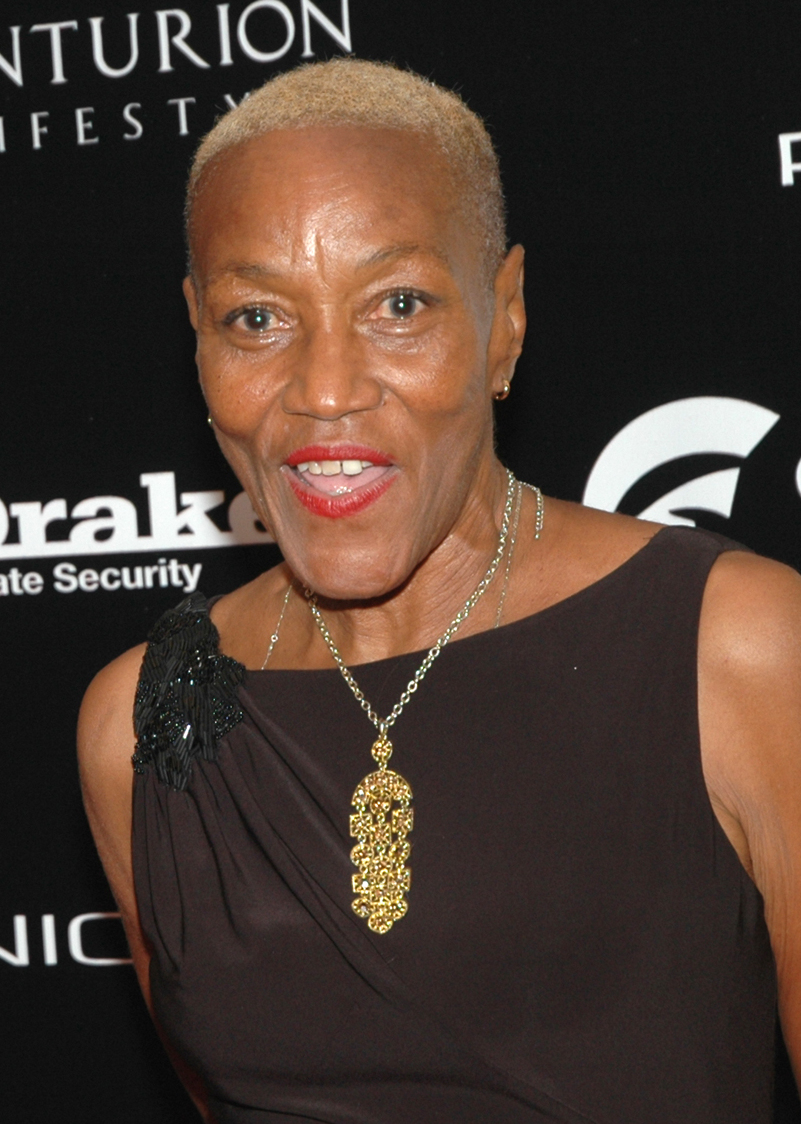
Before Soft Cell's 1981 synth-pop version became a global smash, "Tainted Love" was a commercial flop—twice. Ed Cobb wrote the song in 1964 for soul singer Gloria Jones, who recorded it with Glen Campbell on lead guitar, only to see it buried as a B-side that never charted. Even a 1976 re-recording produced by Marc Bolan couldn't save it from obscurity.
The song's journey from forgotten Northern soul gem to new wave anthem is one of the most unlikely comebacks in pop history. If you're working on your own lyrics and want to experiment with different approaches, a free AI lyrics generator can help you explore multiple angles quickly.
Who Actually Wrote "Tainted Love"
Ed Cobb composed "Tainted Love" in 1964. Cobb was formerly a member of the Four Preps, an American vocal group, before transitioning to songwriting and production. He wrote and produced the original recording for Gloria Jones, with Lincoln Mayorga handling the arrangement.
According to some accounts, Cobb had offered the song to the Standells, a band he managed and produced, before Jones recorded it. The Standells themselves dispute this version of events, claiming the song was never offered to them and noting they were not signed with Cobb's Greengrass Productions until 1966—two years after Jones's recording.
Glen Campbell played lead guitar on the original 1964 recording. The track featured a Motown-influenced sound with fast tempo, horns, electric rhythm guitar, and female backing vocals—all hallmarks of mid-1960s soul production.
From Flop to Northern Soul Legend
Gloria Jones's original "Tainted Love" was released as the B-side of her 1965 single "My Bad Boy's Comin' Home." Both sides flopped commercially, failing to chart in either the United States or the United Kingdom. The song seemed destined for obscurity.
The track's resurrection came from an unexpected source. In 1973, British club DJ Richard Searling purchased a copy of the nearly decade-old single during a trip to the United States. He recognized that its Motown-influenced sound fit perfectly with the Northern soul scene gaining momentum in early 1970s Britain.
Searling began playing "Tainted Love" at the Northern soul club Va Va's in Bolton, and later at the legendary Wigan Casino. The song became an underground favorite among Northern soul devotees, who prized obscure American soul and R&B records from the 1960s.
Encouraged by this belated recognition, Jones re-recorded "Tainted Love" in 1976. Her boyfriend Marc Bolan produced this version, which appeared on her album Vixen. Despite Bolan's involvement and the song's underground cult status, the 1976 single also failed to chart.
How Soft Cell Transformed It
British synth-pop duo Soft Cell discovered "Tainted Love" through the Northern soul scene and recorded their cover version in 1981 for their debut album Non-Stop Erotic Cabaret. They stripped away the Motown production, horns, and live instrumentation, replacing them with stark synthesizers, a driving electronic beat, and Marc Almond's dramatic vocal delivery.
This reworking transformed the song from uptempo soul into brooding new wave. The contrast between the original's warmth and Soft Cell's cold electronic treatment gave the lyrics about toxic relationships a darker, more desperate edge.
Chart Performance and Cultural Impact
Soft Cell's version attained worldwide fame and became one of the defining tracks of the synth-pop era.
In 2014, NME ranked Gloria Jones's original version number 305 in their list of the 500 Greatest Songs of All Time, giving belated recognition to the recording that launched the song's legacy.
The song has since been covered by numerous groups and artists across multiple genres, cementing its status as a standard that transcends its original soul context.
Why "Tainted Love" Still Works
The song's enduring appeal comes down to three core craft elements that work regardless of arrangement.
The hook is immediate and universal. "Tainted Love" lands in the first two words of the chorus. The phrase captures a complex emotional state—love that's gone bad but still holds power—in just two syllables. It's memorable, singable, and emotionally specific without being situationally narrow.
The lyric balances clarity with ambiguity. The verses describe a relationship where the narrator feels used and hurt, but the chorus doesn't explain or justify—it simply names the feeling. This allows listeners to project their own experiences onto the framework. The song never tells you exactly what happened or who's at fault, which keeps it from dating itself or limiting its emotional range.
The structure creates tension through repetition. The song cycles through its simple verse-chorus form without a bridge or dramatic key change. This repetition mirrors the psychological loop of staying in a bad relationship—the same patterns playing out over and over. Both Gloria Jones's uptempo soul version and Soft Cell's synth-pop cover exploit this structural choice differently, but both create mounting intensity through insistent repetition rather than dynamic variation.
These elements explain why the song survived two commercial failures and a seventeen-year gap to become a hit. The core songwriting was strong enough to work in radically different production styles and cultural contexts. Similar principles drive many of the best song hooks of all time—they're simple, emotionally direct, and structurally sound enough to survive reinterpretation.
What Songwriters Can Steal
- A great song can survive the wrong arrangement. "Tainted Love" flopped twice with different productions before Soft Cell found the treatment that connected with a mass audience. If your song isn't working, the problem might not be the writing—it might be the production, timing, or artist. Don't abandon strong material just because the first version doesn't hit.
- Emotional specificity beats narrative detail. Cobb's lyric never explains the relationship's backstory or gives you concrete scenes. It focuses entirely on the emotional state: "love that's tainted." This specificity of feeling combined with vagueness of situation makes the song widely relatable. When you're writing, ask whether you're being specific about the emotion or just piling on situational details that limit who can connect with the song.
- Repetition is a feature, not a bug. The song's structure is almost monotonous—the same basic pattern cycling throughout. But that repetition creates the psychological intensity that makes the song work. Don't assume you need a bridge, key change, or dramatic dynamic shift to maintain interest. Sometimes the most powerful choice is to stay in the feeling and let it build through insistence. For more on structural choices that create impact, check out our practical guide to writing song lyrics.
Frequently Asked Questions
Did Gloria Jones write "Tainted Love"?
No. Ed Cobb wrote and produced "Tainted Love" for Gloria Jones, who recorded it in 1964. Cobb was formerly a member of the Four Preps before becoming a songwriter and producer.
Why did the original "Tainted Love" flop?
Gloria Jones's 1964 recording was released as a B-side and received no promotion or radio play. It failed to chart in both the US and UK. Even when she re-recorded it in 1976 with Marc Bolan producing, it still failed to chart. The song only found commercial success with Soft Cell's 1981 cover.
Who played guitar on the original "Tainted Love"?
Glen Campbell played lead guitar on Gloria Jones's 1964 recording of "Tainted Love."
The story of "Tainted Love" proves that great songs can wait years—even decades—for the right moment and the right treatment. If you're ready to work on your own material, try SONIQ to develop lyrics and ideas that might just have the same staying power.
Related reading
- The 10 Best Prince Songs, Ranked by Songwriting Craft
- The 15 Best Love Songs of All Time, Ranked
- 11 AI Songwriting Assistants That Help You Finish Songs
Sources
Background, chart and award facts: "Tainted Love" on Wikipedia (CC BY-SA 4.0). Analysis and Hit Craft notes are SONIQ's own.
Photo: Harald Bischoff, CC BY-SA 3.0, via Wikimedia Commons