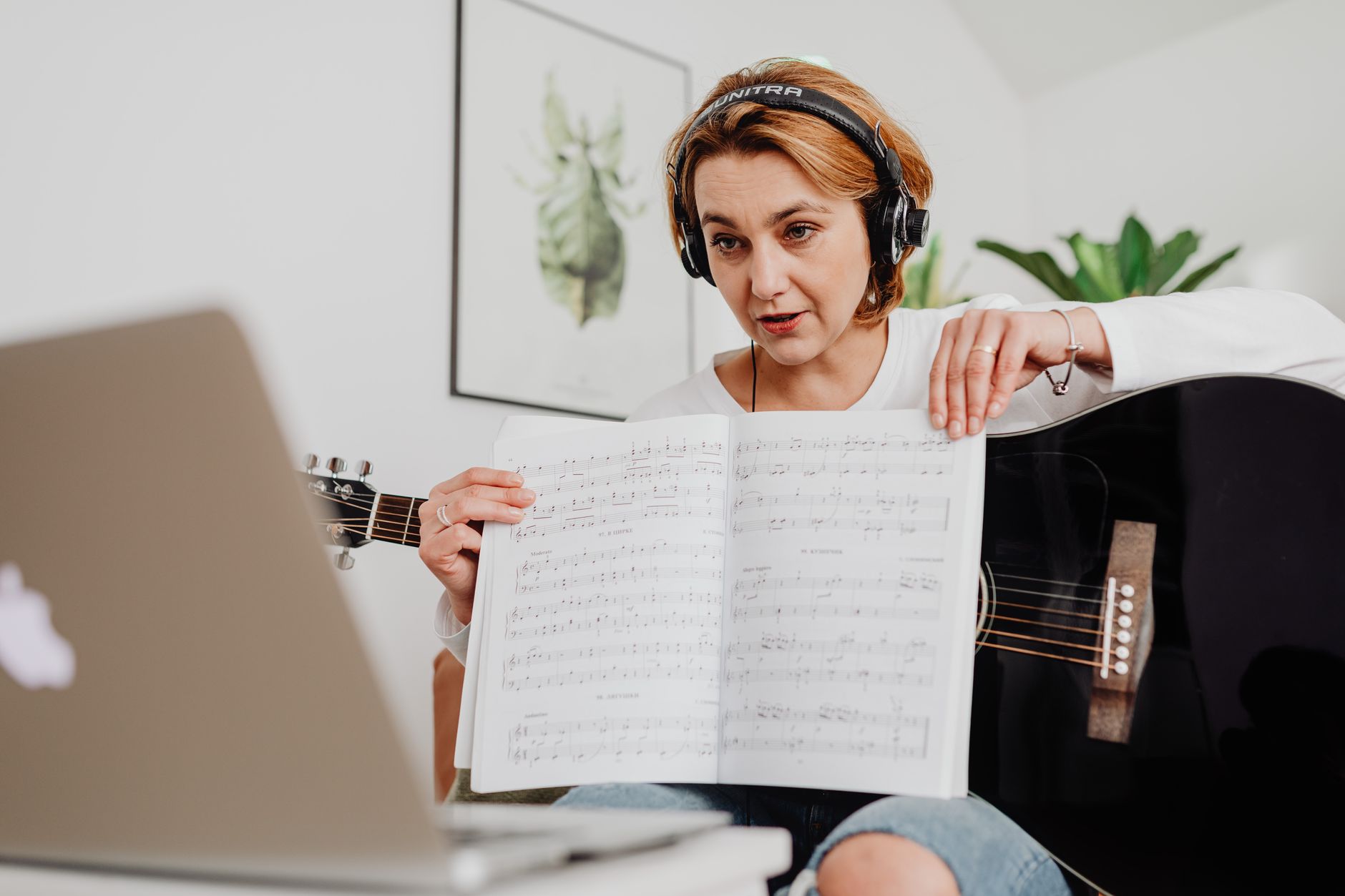
What Free Songwriting AI Online Actually Does
Free songwriting AI generates lyrics, song structures, rhyme schemes, and complete verses based on prompts you provide. You input a theme, mood, or genre, and the AI outputs formatted lyrics ready to use or edit.
Most tools handle the structural heavy lifting: verse-chorus patterns, syllable counts, rhyme placement, and thematic consistency. A free AI lyrics generator can produce a full song in under 30 seconds, complete with hooks, verses, and bridges.
The output quality varies. Some tools generate generic placeholder text. Others produce lines with actual imagery, internal rhyme, and emotional weight. The difference comes down to training data, model architecture, and how the tool handles context across multiple sections.
Free versions typically limit generation speed, song count per day, or advanced features like style customization. But for testing ideas, breaking writer's block, or generating reference material, free tools deliver real value.
How to Use Free Songwriting AI Without Sounding Robotic
Raw AI output rarely sounds human on first pass. The trick is treating AI as a co-writer, not a replacement.
Start with specific prompts. Instead of "write a love song," try "write a verse about missing someone who moved to another city, using imagery of empty streets and unanswered texts." Specificity produces better results. Tools trained on song structures understand concrete details better than abstract concepts.
Edit aggressively. AI-generated lines often lack the compression and punch that make lyrics memorable. If a line takes eight words to say what three could handle, cut it. Replace weak verbs. Swap vague nouns for specific ones. The songwriting techniques that work for human writers work on AI output too.
Generate multiple versions. Run the same prompt three times and pull the best lines from each. AI randomness means each generation offers different word choices, metaphors, and angles. Mining multiple outputs gives you more raw material to shape.
Use AI for structure, then personalize. Let the tool handle rhyme schemes, syllable counts, and section transitions. Then rewrite every line that doesn't sound like something you'd actually say. The framework saves time. The personalization makes it yours.
What Separates Good Free AI Tools from Junk
Most free songwriting AI tools fall into one of three categories: generic text generators repurposed for lyrics, purpose-built lyric tools with limited training, or professional platforms offering free tiers.
Generic text generators produce grammatically correct sentences that don't scan when sung. They ignore syllable stress, natural phrasing, and melodic rhythm. The output reads fine but sounds awkward over music.
Purpose-built tools understand song structure but often lack depth. They nail verse-chorus patterns and rhyme schemes but produce clichéd imagery and predictable word choices. You get functional lyrics that need heavy editing.
Professional platforms with free tiers offer the best balance. They're trained on actual song data, understand genre conventions, and produce output that scans naturally. The free version limits usage but delivers quality comparable to paid tools.
Look for tools that let you specify genre, mood, and structure. If you can only input a topic and hit generate, the output will be generic. Tools that accept detailed prompts produce better results. Check whether the tool formats output with verse labels, line breaks, and section markers. Proper formatting makes editing faster.
Genre-Specific AI: When Specialized Tools Matter
General songwriting AI handles pop, rock, and singer-songwriter material well. But genres with strict structural rules or specific vocabulary benefit from specialized tools.
Rap and hip-hop require multisyllabic rhyme schemes, internal rhymes, and bar-based structure. A general tool might produce rhyming couplets. A specialized tool delivers complex rhyme patterns and understands 16-bar verses. If you're writing drill, trap, or boom-bap, a drill-specific approach produces better results than generic prompts.
Country music relies on storytelling, specific imagery (trucks, small towns, whiskey), and conversational phrasing. AI trained on country songs understands these conventions and produces lyrics that fit the genre's expectations.
Metal and hard rock need aggressive vocabulary, dark imagery, and syllable patterns that match heavy riffs. A specialized tool knows the difference between writing for a thrash breakdown versus a power ballad chorus.
Pop and R&B benefit from tools that understand contemporary slang, conversational flow, and hook construction. The best pop choruses use simple, repeatable phrases with emotional punch. AI trained on chart hits understands this better than general models.
The Workflow: From AI Output to Finished Song
Professional songwriters using AI follow a consistent workflow. It's not generate-and-publish. It's generate, edit, test, and refine.
Start by generating 3-5 versions of each section. Don't commit to the first output. Run the prompt multiple times and compare results. Pull the best lines from each version.
Read every line out loud. If it doesn't flow naturally when spoken, it won't sing well. AI sometimes produces grammatically correct sentences that no human would actually say. Cut anything that sounds stiff or academic.
Test syllable counts against a reference melody. If you're writing for a specific beat or chord progression, sing the lyrics over the music. AI doesn't hear the track, so syllable mismatches are common. Adjust line length to fit the melody.
Replace generic words with specific ones. AI defaults to safe, common vocabulary. Swap "car" for "Civic," "feeling" for "ache," "walking" for "stumbling." Specificity creates imagery. Generic words create fog.
Check for clichés. AI training data includes millions of songs, including thousands of bad ones. The model learns common phrases and overuses them. If a line sounds like something you've heard a hundred times, rewrite it.
Verify emotional consistency. AI can shift tone mid-song if prompts aren't specific enough. A verse about heartbreak shouldn't suddenly include a line about summer fun. Read the full song top to bottom and smooth out tonal shifts.
Limitations You'll Hit (and How to Work Around Them)
Free songwriting AI can't hear music. It generates text based on patterns in training data, not melodic rhythm. This means syllable counts might not match your track. Solution: generate lyrics first, then adjust syllable counts when you add melody. Or compose melody first and specify syllable targets in your prompt.
AI struggles with deep metaphor and layered meaning. It produces surface-level imagery well but rarely delivers the kind of multi-layered lines that define great songwriting. The best choruses work on multiple levels simultaneously. AI gives you one level. You add the rest through editing.
Context degrades across long outputs. AI maintains consistency well for 8-16 lines. Beyond that, it may repeat ideas, contradict earlier lines, or drift off-topic. Solution: generate one section at a time. Write verse 1, then use that as context for verse 2. Build the song sequentially rather than generating everything at once.
Free tiers limit usage. Most tools cap daily generations or restrict advanced features. Workaround: use multiple tools. One for brainstorming, another for hooks, a third for verses. Spread usage across platforms to maximize free output.
AI can't tell you if a line is good. It generates based on probability, not quality judgment. A line that's statistically likely isn't necessarily compelling. You need to evaluate every line yourself. Trust your ear, not the algorithm.
FAQ
Can I copyright lyrics written by AI?
In most jurisdictions, you can copyright AI-generated lyrics if you substantially edit them. Raw AI output typically isn't copyrightable, but once you've rewritten, rearranged, and personalized the content, it becomes your original work. The threshold is "creative contribution." If you're just hitting generate and publishing, you're on shaky ground. If you're using AI as a starting point and heavily editing, you're fine.
Do free AI songwriting tools steal my ideas?
Reputable tools don't store or reuse your prompts or outputs. Check the privacy policy. Most platforms state clearly that user-generated content belongs to the user. Avoid tools that claim ownership of output or don't have clear terms of service. If a tool is free and has no privacy policy, don't use it for original material.
How do I make AI lyrics sound more human?
Read them out loud, cut unnecessary words, replace generic terms with specific ones, and add contractions. AI tends toward formal, complete sentences. Real lyrics use fragments, slang, and conversational rhythm. Edit for how people actually talk, not how they write essays. The more you personalize, the less robotic it sounds.
If you want to test how AI handles your specific genre and style, the SONIQ app lets you generate and refine lyrics with detailed prompts and instant output.
Related reading
- Metal Song Lyrics Generator: Write Heavy Lyrics That Crush
- Country Song Lyrics Generator: How to Write Authentic Hits
- Rap Song Lyrics Generator: 16 Bars to Full Track
Photo by https://kaboompics.com/ on Pexels