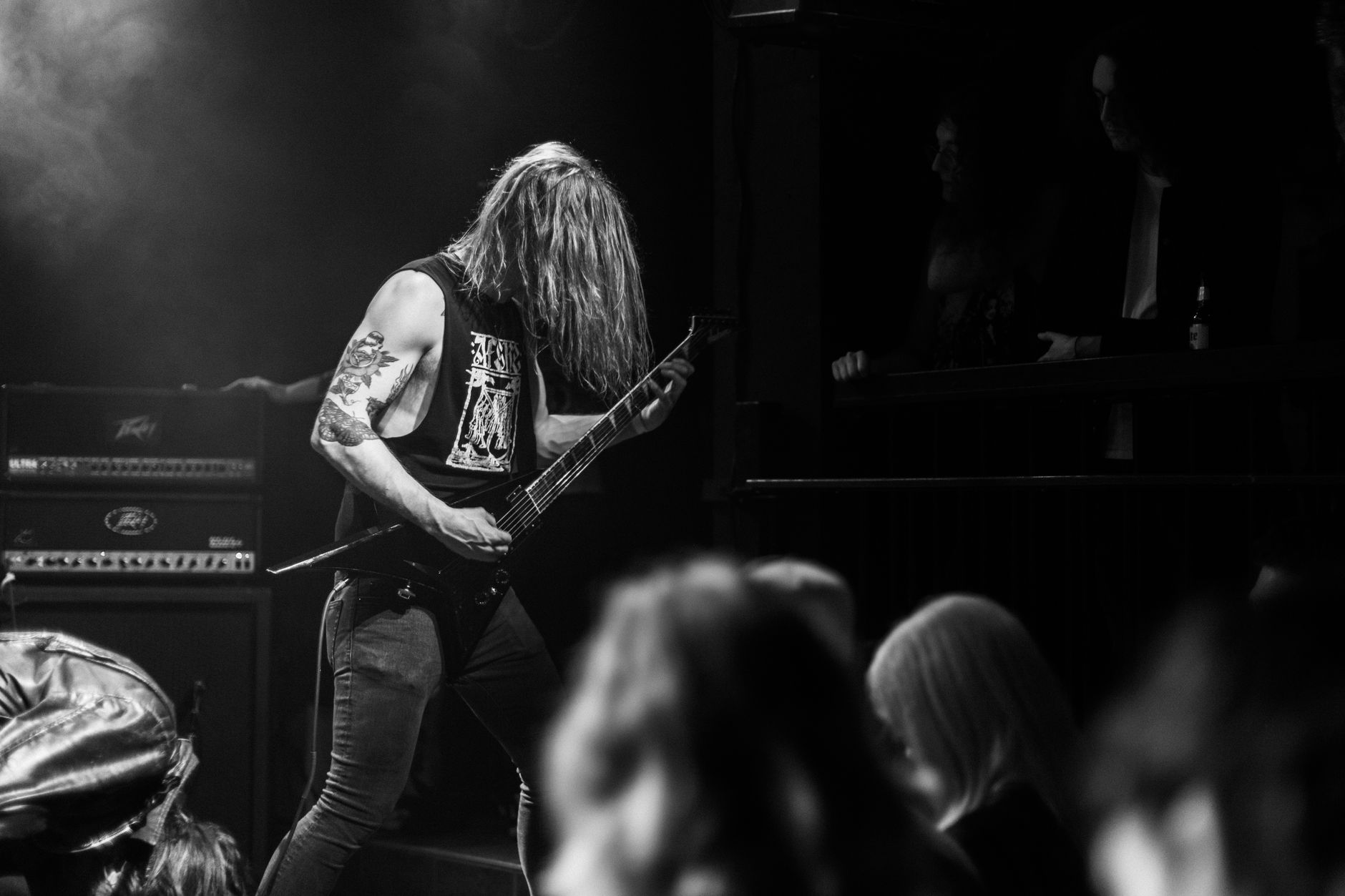
Metal lyrics separate weak songwriters from those who understand the genre. You need aggression, precision, and imagery that matches the sonic intensity. A metal song lyrics generator can accelerate your process, but only if you know how to guide it and refine what it produces.
This guide shows you exactly how to use AI lyric tools for metal, what makes metal lyrics work across subgenres, and how to edit generated content into something you'd actually perform.
What Makes Metal Lyrics Different
Metal isn't just loud rock. The lyrics operate under different rules than pop, country, or hip-hop. Understanding these distinctions determines whether your output sounds authentic or like a parody.
Metal lyrics prioritize intensity over relatability. While pop seeks universal emotional connection, metal explores extremes: rage, darkness, mythology, social collapse, personal demons. Your imagery should be visceral, not comfortable.
Concrete imagery beats abstract emotion. Instead of "I feel angry," write "Teeth grinding through bone, jaw wired shut with rage." Show the physical manifestation. Metal listeners want to see, taste, and feel the violence or darkness you're describing.
Vocabulary matters. Metal pulls from mythology, occultism, warfare, and existential philosophy. Words like "abyss," "vengeance," "desecration," and "obliterate" carry weight. Avoid casual contemporary slang unless you're writing groove or nu-metal where that aesthetic fits.
Rhythm and syllable count directly affect deliverability. Thrash metal needs rapid-fire syllables that match 200+ BPM riffs. Doom metal allows space for sustained, drawn-out phrases. A free AI lyrics generator can help you match syllable patterns to your intended tempo and subgenre.
How to Use a Metal Song Lyrics Generator Effectively
Generic prompts produce generic lyrics. If you type "write metal lyrics about anger," you'll get clichéd output that sounds like every mediocre metalcore band from 2008.
Start with specific thematic direction. Instead of "anger," try "lyrics about betrayal by a corrupt religious institution, using imagery of crumbling cathedrals and false prophets." Specificity gives the AI actual material to work with.
Define your subgenre clearly. "Death metal lyrics about cosmic horror" produces different results than "power metal lyrics about cosmic horror." Death metal leans toward grotesque physicality; power metal toward epic narrative. The generator needs this context.
Include structural requirements in your prompt. Specify verse length, chorus repetition, and whether you need a bridge. Metal songs often feature extended instrumental sections, so you might need shorter lyrical passages than other genres. For detailed prompt engineering, see our Suno prompt guide for techniques that apply to any AI music tool.
Use reference points without copying. "Lyrics in the style of early Metallica: tight, narrative-driven, socially conscious" gives direction without plagiarism. You're identifying technique, not requesting duplication.
Generate multiple versions. Run the same prompt 3-5 times and mine the best lines from each output. AI rarely nails an entire song in one pass, but it often produces individual phrases worth keeping.
Subgenre-Specific Lyric Approaches
Metal fragments into dozens of subgenres, each with distinct lyrical conventions. Mismatching your lyrics to your sound immediately signals amateur work.
Thrash metal favors social and political commentary delivered with aggressive precision. Think Megadeth's "Peace Sells" or Slayer's war-focused material. Lyrics are often narrative or observational rather than first-person emotional. Syllable density is high to match the riffing speed.
Death metal explores mortality, violence, and the grotesque. Lyrics are often deliberately shocking, using medical terminology or horror imagery. Bands like Cannibal Corpse push extremes, while others like Death incorporated philosophical depth. Guttural vocals mean complex rhyme schemes matter less than rhythmic impact.
Black metal centers on nature, paganism, anti-religion, or misanthropy. Imagery is cold, desolate, atmospheric. Think forests, winter, ancient rituals, cosmic insignificance. The lyrics often read like dark poetry. First-person perspective is common but detached, observing rather than pleading.
Power metal embraces fantasy, mythology, and epic narratives. Dragons, battles, heroes, quests. The tone is grandiose rather than nihilistic. Lyrics are often third-person storytelling. Rhyme schemes are tighter because the vocals are melodic and clear in the mix.
Doom metal dwells on despair, existential dread, and slow-motion catastrophe. Lyrics are sparse, allowing space between lines. Each word carries weight. Repetition is used for hypnotic effect rather than catchiness.
Metalcore and deathcore blend metal with hardcore punk, often featuring breakdowns and gang vocals. Lyrics address personal struggle, betrayal, or social issues. The tone is confrontational and direct. Breakdowns need short, impactful phrases that crowds can shout.
When using a generator, specify the subgenre in your prompt. "Write black metal lyrics about winter isolation" produces vastly different results than "write power metal lyrics about winter isolation."
Editing Generated Lyrics for Authenticity
AI output is a first draft, not a finished product. Raw generated lyrics often lack the specificity and edge that make metal lyrics land.
First pass: remove filler words. AI loves unnecessary articles and connectors. "The darkness is consuming all of my soul" becomes "Darkness consumes my soul" or better yet, "Darkness devours what remains." Every word should earn its place.
Second pass: increase specificity. Replace generic terms with concrete imagery. "Pain" becomes "vertebrae grinding, nerves aflame." "Darkness" becomes "lightless void, star-choked emptiness." Metal rewards precision.
Third pass: check deliverability. Read the lyrics aloud at tempo. Can you actually pronounce the syllable clusters? Do the line breaks match natural breathing points? If you're writing for harsh vocals, can the phrases be sustained or do they require awkward breath placement?
Fourth pass: eliminate clichés. AI loves "rising from the ashes," "breaking chains," "inner demons," and "darkness within." These phrases are dead. Replace them or subvert them. "Chains don't break—they rust through, link by corroded link" is more interesting than the cliché.
If you're planning to perform these lyrics yourself, understanding vocal technique helps you write singable lines. For metal's demanding vocal styles, proper vocal training ensures you can deliver the aggression without destroying your voice.
Compare your edited lyrics against professional examples. Read Metallica, Opeth, or Gojira lyrics. Notice how economy of language and specific imagery create impact. For broader lyric-writing fundamentals, our beginner's guide to writing lyrics covers structural basics that apply across genres.
Common Metal Lyric Structures
Metal songs don't always follow pop's verse-chorus-verse formula, but they're not structureless noise either.
The verse-chorus structure still dominates in traditional heavy metal, power metal, and metalcore. Verses build tension with narrative or imagery; choruses deliver the central hook or message. Choruses in metal are often anthemic (power metal) or brutal (death metal), but they're always the song's emotional peak.
Narrative progression without a repeated chorus appears in progressive metal and some thrash. The entire song tells a story, building from beginning to end without returning to a central refrain. This requires tighter writing—every section must advance the narrative.
Verse-only structures with instrumental breaks work for extreme metal subgenres where vocals are treated as another instrument rather than the primary focus. You might write two or three verses with extended guitar solos between them.
Call-and-response patterns between clean and harsh vocals appear in melodic death metal and metalcore. One vocal style delivers a line; another answers or contradicts it. This requires writing complementary phrases that work in dialogue.
Pre-choruses and bridges function differently in metal than pop. Pre-choruses often increase intensity before a crushing chorus. Bridges might drop to atmospheric quiet before a final assault or introduce a key change for maximum impact.
Frequently Asked Questions
Can AI write authentic metal lyrics, or will they sound generic?
AI produces usable raw material but rarely nails authenticity in one pass. The output quality depends entirely on prompt specificity and your editing. Generic prompts yield generic results. Detailed prompts about subgenre, theme, and imagery—combined with aggressive editing—produce lyrics that work. Treat the generator as a brainstorming partner, not a finished product.
Do metal lyrics need to rhyme?
Not necessarily. Rhyme schemes depend on subgenre and vocal style. Power metal and traditional heavy metal typically use tight rhymes because vocals are melodic and clear. Death metal and black metal often ignore rhyme entirely, prioritizing rhythm and imagery. Thrash metal falls between—often using slant rhymes or rhythmic patterns instead of perfect rhymes. Match your approach to your subgenre and vocal delivery style.
How do I avoid writing lyrics that sound like parody?
Specificity prevents parody. "Darkness and demons" is parody territory. "Lightless cells, solitary decades, mind fracturing into separate voices" is specific and disturbing. Avoid metal cliché phrases entirely—no "rising from ashes," "inner demons," or "breaking chains." Study professional metal lyrics from bands you respect and notice how they achieve intensity through concrete imagery rather than generic darkness. Commit to your theme completely instead of winking at the audience.
Metal demands precision, intensity, and imagery that matches the sonic brutality—qualities that AI can help you achieve when you know how to direct and refine the output. If you want to experiment with different approaches and subgenres quickly, try SONIQ to generate and iterate on metal lyrics tailored to your specific sound.
Related reading
- Drill Rap Lyrics Generator: Write Bars That Hit Hard
- Country Song Lyrics Generator: How to Write Authentic Hits
- How to Write a Metal Song: Structure, Hooks and the Moves That Work
Photo by Jonathan Cooper on Pexels