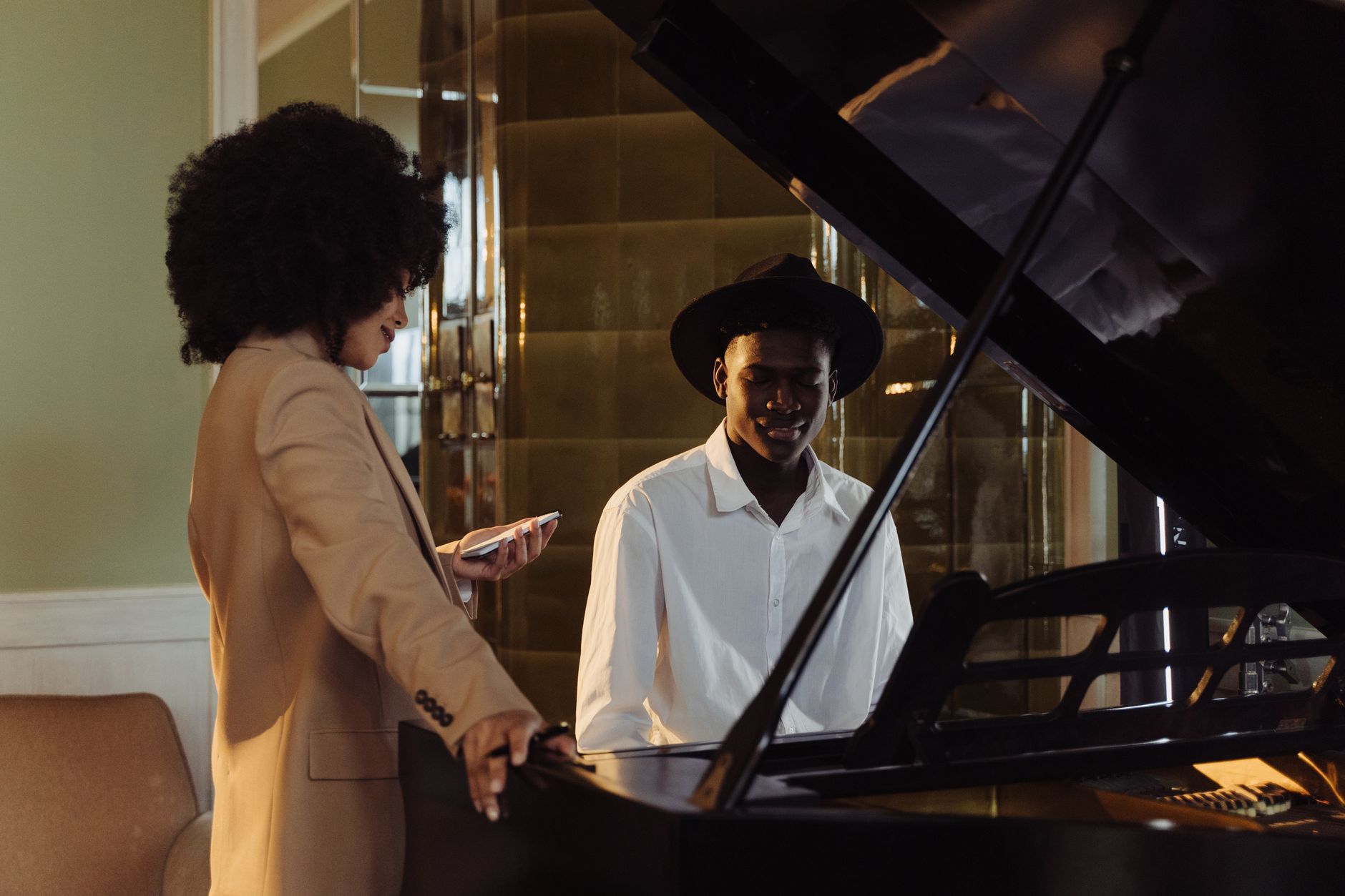
Co-writing turns songwriting from a solo sport into a team effort. Two or more writers bring different strengths, different angles, and different instincts to the same song. The result can be exponentially better than what either writer would produce alone—if you handle the process, etiquette, and business side correctly.
Most hit songs are co-writes. Nashville runs on co-writing sessions. Pop camps assemble teams of specialists. Even in hip-hop, where solo writing was once the standard, collaborations between rappers, producers, and topliners now dominate the charts. If you want to write professionally, you need to know how to co-write a song without creative friction or legal headaches.
This guide covers the full co-writing workflow: how sessions actually work, the unspoken rules that keep collaborations productive, and how to split ownership fairly before problems arise. If you're generating ideas with a free AI lyrics generator, you'll still need human collaborators to refine, arrange, and finish the song—here's how to make those partnerships work.
The Co-Writing Process: From Concept to Finished Song
Every co-write is different, but successful sessions follow a predictable arc. Start with alignment, move through rapid ideation, then refine together.
Pre-session preparation: Before you meet, agree on the goal. Are you writing for a specific artist? Chasing a sync placement? Building your catalog? Knowing the target shapes every decision. Share reference tracks if possible. If one writer plays piano and wants to explore chord progressions, resources like Pianoforall can help build foundational skills before the session.
The first hour: Talk. Share what you're listening to, what you're feeling, what's happening in your life. The best songs come from genuine emotion or observation. Someone mentions a phrase, an image, a story. Someone else riffs on it. You're not writing yet—you're mining for the core idea. When something clicks, you'll both feel it.
Capture everything: Record the session from the first note. Voice memos, phone recordings, DAW sessions—whatever works. Melodies and phrases disappear if you don't catch them immediately. One writer might hum a melody while another types lyrics. Another might loop a chord progression while the group freestyles over it. The goal is momentum, not perfection.
Divide and conquer: Play to strengths. If one writer excels at melody and another at lyrics, lean into that. If someone's a stronger arranger, let them drive structure. But stay flexible—sometimes the lyricist stumbles onto a killer melody, and that cross-pollination creates magic. The techniques in how to write a catchy song apply equally to solo and co-writing sessions.
Finish in the room: Professional co-writers aim to complete the song before leaving the session. A "finished" song might still need production or a final vocal, but the structure, lyrics, and melody should be locked. Songs that leave the room unfinished often stay unfinished. Momentum dies. Schedules conflict. Finish it.
Co-Writing Etiquette: The Unspoken Rules
Co-writing etiquette separates amateurs from professionals. Break these norms and you won't get invited back.
Show up prepared and on time: Respect the other writer's time. If you're late or distracted, you're saying their work doesn't matter. Bring your tools—laptop, interface, instrument, notebook. Bring energy and focus. Leave personal drama outside the room.
Check your ego: Your co-writer will suggest ideas you don't like. They'll rewrite your favorite line. They'll change the melody you thought was perfect. That's the process. If you can't handle critique or compromise, co-writing isn't for you. The best idea wins, regardless of who said it first.
Contribute equally: Don't coast. If your co-writer does 90% of the work, you don't deserve an equal split. Pull your weight. If you're stuck, ask questions, play devil's advocate, or handle logistics—anything that moves the song forward. Silence and passivity kill sessions.
No phones, no distractions: When you're in the room, be in the room. Checking Instagram or answering emails signals disinterest. The song suffers and the relationship sours. Treat the session like a recording session—you wouldn't stop mid-take to scroll Twitter.
Respect confidentiality: Don't share the song, the demo, or details about the session without explicit agreement from all writers. Don't post snippets on social media. Don't pitch the song to artists without consensus. Trust is everything in co-writing. Violate it once and you're done.
Determining Ownership Splits: Have the Conversation Early
The most common co-writing mistake is avoiding the split conversation. Writers assume "we'll figure it out later" or "it'll be fair." Then the song blows up, money appears, and friendships implode.
Discuss splits before you leave the room: As soon as the song is finished, agree on percentages. Equal splits are common but not mandatory. If one writer brought the concept, wrote 80% of the lyrics, and crafted the melody while the other added a bridge and some polish, a 70/30 or 60/40 split might be fair. Be honest. Be direct.
Separate composition from production: The songwriting split (composition) is different from the production split (master recording). If your co-writer also produced the track, you're negotiating two separate agreements. Composition splits cover publishing royalties. Production splits cover master royalties. Don't confuse them.
Document everything: Email a split sheet to all writers immediately after the session. Include song title, writers' full legal names, PRO affiliations (ASCAP, BMI, SESAC), and percentage splits. Everyone replies "agreed" to create a paper trail. Use a formal split sheet template if the song has commercial potential. If you're building a catalog to pitch or monetize through streams, understanding how to make money on Spotify helps you value these splits correctly.
Register the song: File the composition with your PRO and register the copyright with the U.S. Copyright Office (or your country's equivalent). All writers should be listed. This protects everyone and ensures royalties flow correctly when the song is released or placed.
What if someone contributed very little? You're not obligated to give a full split to someone who sat on their phone for two hours and suggested one word. But if they were in the room and contributed anything of value, a small percentage (5-10%) keeps the relationship intact. Reputation matters more than a few points on one song.
Common Co-Writing Scenarios and How to Handle Them
Writing with a producer: If the producer creates the beat or instrumental, they typically receive a production split (master) and sometimes a composition split if they contributed melodically. A common structure: 50/50 composition split between writer and producer, with the producer also taking 50-100% of the master. Negotiate based on contribution.
Writing for an artist: If you're co-writing with an artist who will record the song, clarify expectations upfront. Some artists expect a writing credit regardless of contribution. Others earn their split. If the artist brings the concept and melody but you write all the lyrics, a 50/50 split is fair. If they just perform your song, they get zero publishing unless you agree otherwise.
Writing in a group (3+ writers): More writers means more complexity. Assign roles early: who's driving melody, who's on lyrics, who's arranging. Split evenly unless contributions are clearly unequal. Three writers usually means 33.33% each. Four writers, 25% each. Document everything and get everyone's signature.
Remote co-writing: Video calls, file sharing, and cloud DAWs make remote co-writing seamless. The process is the same—share ideas, build together, finish the song. The etiquette is the same—show up, contribute, respect the work. The split conversation is the same—have it before you log off.
What to Do When Co-Writes Go Wrong
Disputes happen. A writer claims a larger split after the song succeeds. Someone pitches the song without permission. A writer disappears and won't sign paperwork.
Prevention is everything: Documented splits, signed agreements, and clear communication prevent 95% of problems. If you skipped the split conversation, you're now in a negotiation with no leverage. Lawyer up if the song has significant value.
Mediation before litigation: If a dispute arises, try direct conversation first. Then mediation. Litigation is expensive, slow, and destroys relationships. Most disputes resolve when both parties see the long-term cost of fighting.
Know when to walk away: If a co-writer is consistently difficult, unreliable, or unethical, stop working with them. Protect your catalog and your reputation. The music industry is small. Word spreads.
FAQ
Do I need a written agreement for every co-write?
Yes. Even a simple email confirming splits creates a legal record. Verbal agreements are nearly impossible to enforce. If the song earns money, you'll need documentation for your PRO, publisher, and distributor. Protect yourself and your co-writers with a paper trail every time.
What if my co-writer wants to change the song after we've finished?
If the song isn't released yet, discuss the proposed changes as a group. If all writers agree, make the edits and update the demo. If the song is already released or placed, changes require unanimous consent and may involve legal or contractual complications. Set a "final version" deadline during the session to avoid this issue.
Can I co-write with someone and keep 100% of the publishing?
Only if the other writer agrees to a work-for-hire arrangement and you pay them upfront. In a standard co-write, all writers share publishing based on their splits. If you wrote 50% of the song, you own 50% of the publishing. You can't claim more without a signed agreement from the other writers.
Co-writing accelerates your growth as a songwriter. You learn faster, write more, and access opportunities you'd never find alone. But it only works if you treat it like the professional collaboration it is—clear process, mutual respect, and fair agreements from day one. If you want to refine your ideas before or after a session, try SONIQ to explore lyric variations and structure options quickly.
Related reading
- Free Songwriting AI Online: Write a Full Song in One Click
- How to Write a Catchy Song: The Craft Behind Instant Hooks
- Worship Song Lyrics Generator: Write Church Songs Faster
Photo by cottonbro studio on Pexels