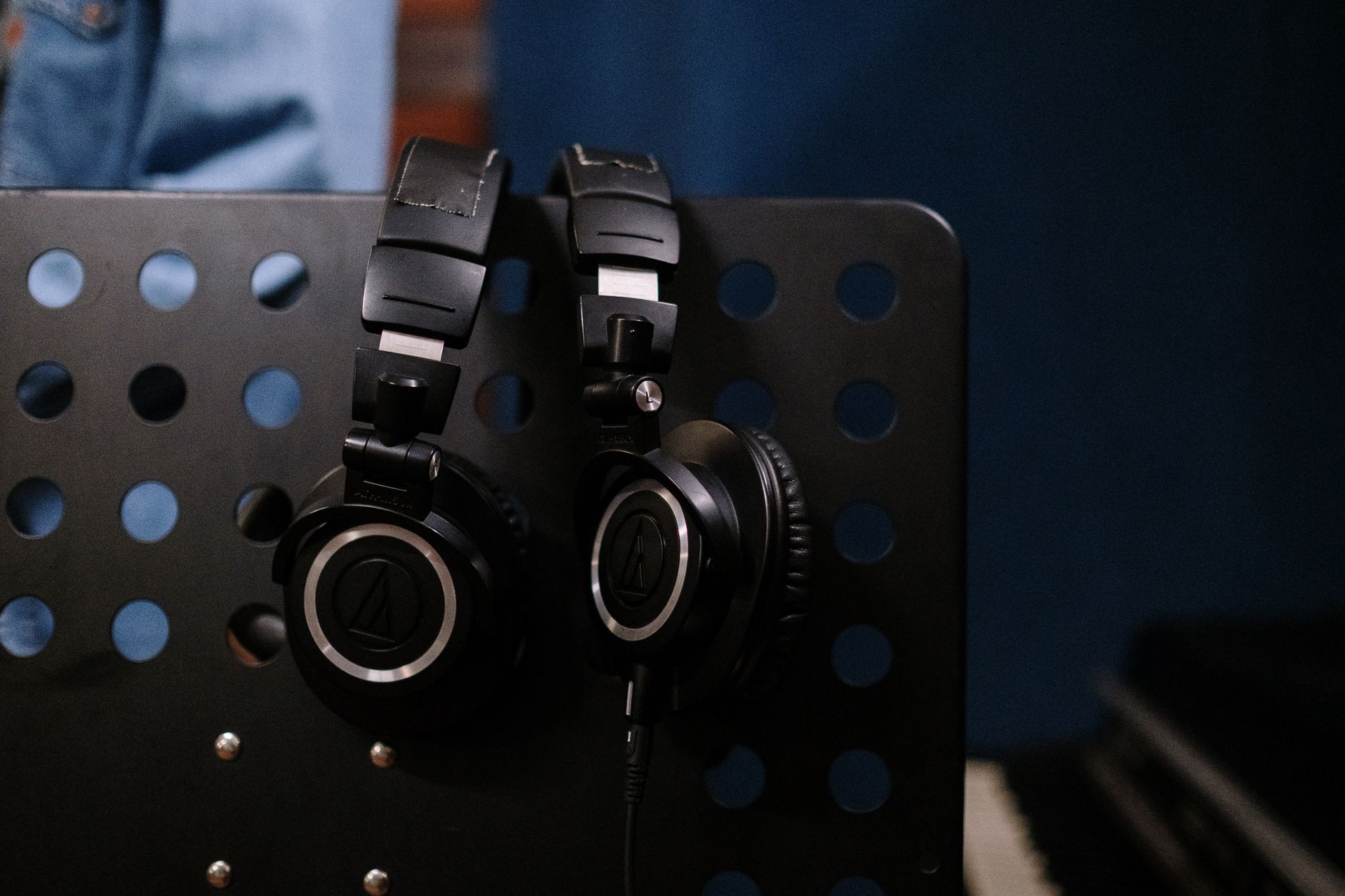
Most musicians chase one income stream and wonder why they're broke. The artists making real money stack six to ten revenue sources, none of them massive individually, but collectively sustainable.
This guide breaks down every legitimate way independent artists generate income in 2025, what each stream actually pays, and which deserve your attention first.
Streaming Royalties: Small Per-Stream, Big in Aggregate
Streaming pays a small amount per play on Spotify, Apple Music, and similar platforms. Individual stream payments are low, but the income scales with both catalog size and listener base.
An artist with a larger catalog and consistent monthly streams can build meaningful recurring income. The income scales with both catalog size and listener base.
You'll need a digital distributor to get your music on streaming platforms. Services like DistroKid and TuneCore handle distribution to all major platforms. SONIQ may earn a commission from these links.
The strategy: release consistently, build a deep catalog, and focus on playlist placement and algorithmic discovery rather than obsessing over individual track performance.
Performance Royalties: Money You're Already Owed
Every time your song plays on radio, in a restaurant, at a venue, or on streaming services, you're owed performance royalties. These are collected by performance rights organizations (PROs) like ASCAP, BMI, and SESAC in the US.
Register every song you release. These royalties are separate from streaming payouts—you collect both. Performance royalties typically arrive quarterly and can range from a few dollars to thousands, depending on where and how often your music plays.
International performance royalties require additional collection. If your music gets traction outside your home country, you'll need to either join collection societies in those territories or use a service that handles worldwide collection.
Sync Licensing: The Highest Per-Placement Income
A single sync placement—your song in a TV show, film, commercial, or video game—can pay varying amounts depending on the project size and usage. Payments vary widely based on the type of placement and the project's budget.
Sync licensing works best when you own both the master recording and the publishing rights. Music supervisors need quick clearance, and owning everything means faster deals.
The music that licenses most frequently: instrumental tracks, songs with clear emotional tone, music without profanity or controversial content, and tracks that don't sound dated to a specific era. Your experimental seven-minute opus probably won't sync. Your clean, three-minute track with a strong hook might.
Build a catalog specifically for sync. Tag your instrumental versions separately. Make your music easy to license by keeping your metadata organized and your contact information current.
YouTube: Multiple Revenue Streams on One Platform
YouTube pays through several mechanisms simultaneously. Ad revenue from the YouTube Partner Program varies based on views and engagement. Content ID claims on your music used in other creators' videos generate additional income. YouTube Music streams pay separately, similar to Spotify rates.
Artists making real YouTube money combine music videos, lyric videos, behind-the-scenes content, tutorials, and vlogs. The algorithm rewards consistent upload schedules and watch time more than view counts.
The mistake most musicians make: treating YouTube as a place to dump music videos. The platform rewards creators who understand it's a search engine and entertainment destination first, music platform second.
Beat Sales and Production Work
Producers and beatmakers sell instrumentals through lease licenses and exclusive rights. Lease licenses are more affordable and allow multiple artists to use the same beat with restrictions, while exclusive licenses transfer full rights to one buyer at a premium price.
Lease licenses allow multiple artists to use the same beat with restrictions on commercial release and streaming counts. Exclusive licenses transfer full rights to one buyer at a premium price.
The market favors specialists. Producers known for specific sounds—drill, trap, lo-fi, boom bap—sell more consistently than generalists. If you're writing in specific genres, understanding the production side helps. Check out guides like how to write a drill song to understand what makes genre-specific production work.
Live Performance: Still the Biggest Revenue Source
Live shows remain the primary income source for most working musicians. Payment varies dramatically based on venue size, location, and your draw as an artist.
The economics shift dramatically with venue size. Club shows pay less than theater shows, which pay less than festival slots. The jump from bars to theaters represents the biggest income leap most independent artists experience.
Successful touring artists build routes that minimize travel costs while maximizing guarantee fees. They return to markets annually, building audience loyalty that increases ticket sales and negotiating power with venues.
Merchandise: Higher Margins Than Music
Merch typically offers much higher profit margins compared to streaming's fraction-of-a-penny returns. Physical merchandise sold at shows often generates more profit than the performance guarantee itself.
The best-selling items: t-shirts, hoodies, vinyl records, and limited-edition items. Digital artists also sell sample packs, preset banks, and production templates.
Print-on-demand services eliminate upfront inventory costs but reduce margins. Bulk ordering increases profit per unit but requires capital and storage. Most artists start with print-on-demand, then shift to bulk orders once they understand which designs sell.
Teaching and Consultation
Music lessons, production tutorials, songwriting coaching, and industry consultation generate steady income. Artists with specific expertise—vocal technique, mixing, songwriting craft—build teaching income that stabilizes between release cycles and touring.
Online courses and educational content scale beyond hourly rates. Digital courses can be sold to many students, generating more income than one-on-one lessons for the same information.
Your unique process matters here. If you've developed techniques that work, other musicians will pay to learn them. Understanding songwriting techniques that make hits gives you teachable frameworks.
Crowdfunding and Fan Support
Patreon, Buy Me a Coffee, and similar platforms let fans support artists directly through monthly subscriptions or one-time payments. Artists with dedicated fan bases can generate predictable recurring revenue through these platforms.
The model works when you offer genuine value: early access to songs, exclusive content, behind-the-scenes updates, direct interaction, or input on creative decisions. Fans pay for connection and exclusivity, not just music they could stream elsewhere.
Successful creators treat this like a membership community, not a tip jar. They deliver consistent value, communicate regularly, and make supporters feel like insiders rather than customers.
Session Work and Freelance Projects
Session musicians, vocalists, songwriters, and producers take freelance gigs for other artists' projects. Rates vary widely based on experience, location, and project scope.
Remote session work expanded dramatically. Vocalists record toplines from home studios. Producers send beats internationally. Songwriters collaborate across continents through video calls and file sharing.
Building this income stream requires both skill and network. The musicians getting called repeatedly deliver quality work on deadline and communicate professionally. Your reputation determines whether you get one call or fifty.
Building Your Artist Website and Email List
Every income stream above works better when you own direct access to your audience. Social platforms change algorithms. Streaming services control discovery. Your email list and website remain yours.
An artist website serves as your central hub: music, tour dates, merch store, mailing list signup, and press kit all in one place. You need reliable hosting that doesn't crash when you release new music or announce a tour. HostGator offers hosting plans that scale with your traffic.
Email converts better than any social platform. A message to engaged subscribers drives more ticket sales, streams, and merch purchases than a larger social media following. For more on building your online presence, see website options for musicians.
Frequently Asked Questions
How many streams do you need to make $1,000 per month?
You need substantial monthly streams to generate significant income from streaming alone. This is achievable with a catalog of songs that each perform consistently, or fewer songs with higher individual performance.
Which income stream should independent artists prioritize first?
Prioritize whatever you can execute consistently while building your catalog and audience. Most sustainable careers combine streaming income, live performance, and one scalable revenue stream like sync licensing, beat sales, or teaching. Avoid putting all effort into a single channel.
Do you need to be famous to make money from music?
No. Many artists earn sustainable income without mainstream recognition by stacking multiple income streams, serving niche audiences, and treating music as a business. Fame helps but isn't required for sustainable income.
The artists making real money from music don't rely on one breakthrough—they build systems that generate income from multiple sources simultaneously. Start with the streams that match your current skills and audience size, then expand as you grow. If you're still developing your songwriting craft, try SONIQ to sharpen your lyric-writing process.
Related reading
- Sync Licensing for Independent Artists: The Complete Playbook
- How to Make a Musician Website That Sells Music and Merch
- Music Publishing 101: How to Protect and Monetize Your Songs
Photo by cottonbro studio on Pexels