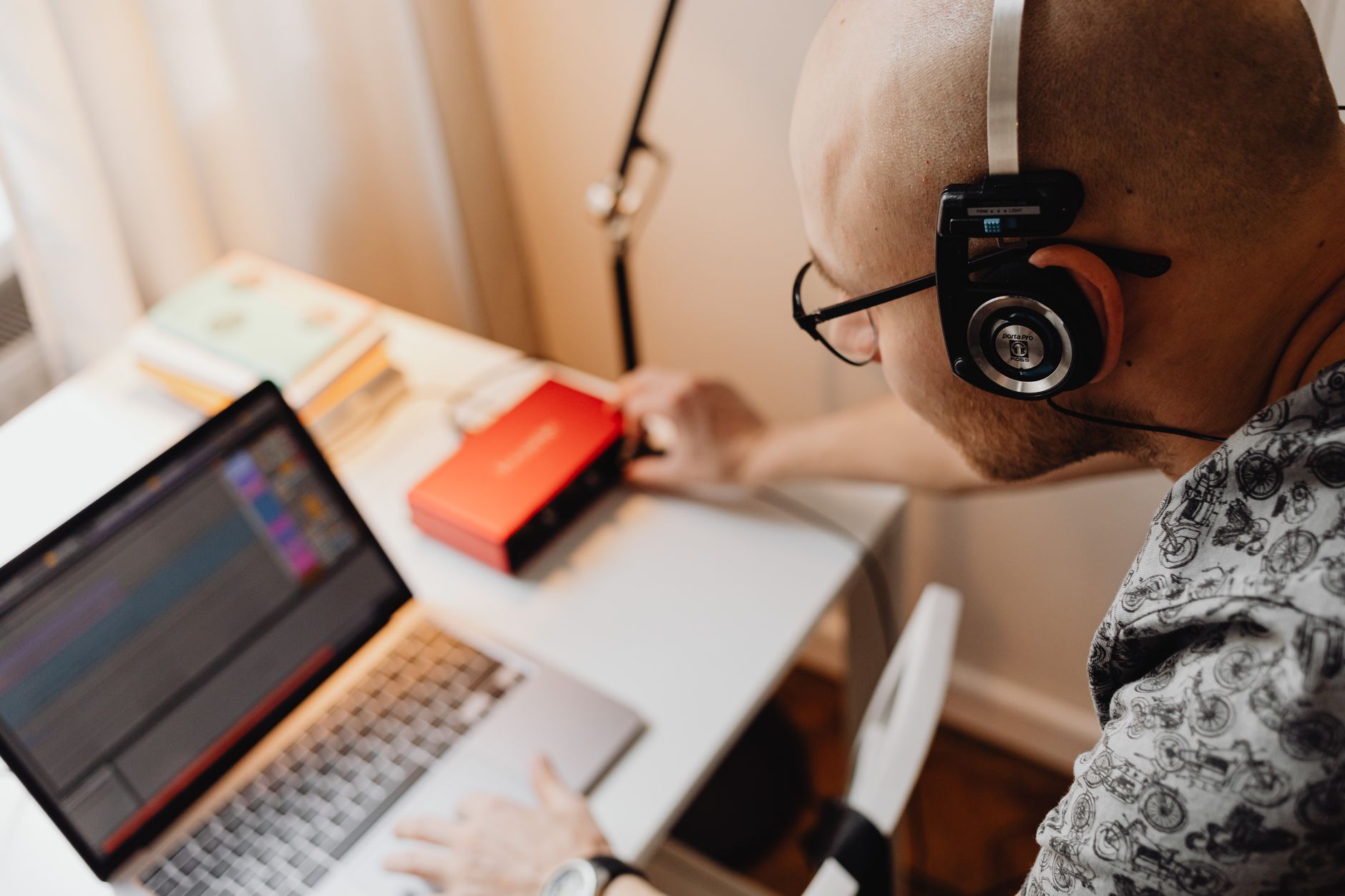
Set Up Your Beat Store Infrastructure
You need a platform that handles digital delivery, licensing agreements, and payments. Your beat store should automatically generate contracts, deliver files after purchase, and track which beats have been leased or sold exclusively.
Three options exist: dedicated beat-selling platforms, WordPress plugins for beat sales, or building your own site. Dedicated platforms handle licensing automatically but take a percentage of each sale. WordPress plugins give you more control and lower fees but require you to manage hosting and updates. If you're building a custom site with full control over branding and customer experience, reliable hosting is essential for handling file delivery and payment processing.
Your store needs:
- Audio previews with tagged watermarks (voice tags or sound effects every 8-12 bars)
- Instant file delivery via email or download link
- Automatic license agreement generation with buyer name and purchase date
- Payment processing (PayPal, Stripe, or both)
- Mobile-responsive design since most traffic comes from phones
Upload beats in MP3 format for previews (192 kbps minimum) and deliver purchased beats as WAV files. Include tracked-out stems as an upsell option—many artists will pay more for separated drum, melody, and bass tracks.
Structure Your Licenses: Leases vs Exclusives
Lease licenses let multiple artists use the same beat with restrictions. Exclusive licenses transfer all rights to one buyer and remove the beat from your store. Most producers earn more from multiple leases than waiting for exclusive sales.
Standard lease tiers typically include:
- Basic Lease: Limited streams, MP3 or WAV file, non-profit distribution only (no Spotify/Apple Music). Lower price point.
- Premium Lease: Higher stream limits, WAV + tracked stems, streaming distribution allowed, music video rights. Mid-range pricing.
- Unlimited Lease: No stream cap, WAV + stems, full commercial use, performance rights. Higher pricing.
- Exclusive Rights: Full ownership transfer, beat removed from store, producer credit negotiable, all master rights. Premium pricing depending on your catalog demand.
Include clear terms in every license: stream/sale limits, distribution rights, whether producer credit is required, and what happens if limits are exceeded. Most producers require an additional fee if an artist exceeds their stream cap.
When a beat sells exclusively, remove it immediately and contact anyone who previously leased it. Most exclusive agreements allow existing leases to remain valid but prohibit new ones.
Price Your Beats Based on Market Position
Price your beats according to your experience and track record. New producers with no placements should price lower than established producers with verified placements or substantial followings. Producers with major label placements can command premium prices.
Don't underprice to compete. Very low prices signal low quality. Artists who pay fair market rates for a lease are more serious, more likely to promote their release, and less likely to dispute terms later.
Run limited-time discounts during release cycles when artists are actively searching for beats. Avoid permanent discounts; they devalue your catalog.
Bundle pricing works: three lease licenses for the price of two, or a lease + stems + mixing preset pack. Bundles increase average transaction value without devaluing individual beats.
Market Your Beats Where Artists Actually Search
YouTube is the primary discovery platform for beats. Upload beats as videos with the tempo, key, and mood in the title: "Dark Piano Trap Beat 140 BPM | Emotional Type Beat 2024." Include purchase links in the description and pinned comment.
Post consistently—multiple beats per week. Use tags strategically: include the genre, mood descriptors, popular artist comparisons (without violating trademark), and year. Enable your beat store link in your channel header and end screens.
Instagram and TikTok work for 15-30 second beat previews. Post the hardest-hitting section with captions like "Link in bio for lease" or "DM for exclusive price." Use relevant hashtags: #typebeat, #beatsforsale, #trapbeats, plus genre and mood tags.
Email marketing is a powerful conversion tool. Offer a free beat (older catalog or B-side) in exchange for email signup. Send a weekly email featuring new beats, one discounted older beat, and one tip for recording or mixing. Keep emails concise with direct purchase links.
Collaborate with artists who already have audiences. Offer a free exclusive beat to an artist with an established following in exchange for producer credit and a tag in their release post. One placement with proper credit will drive more traffic than many solo posts. If you're helping artists get their music on streaming platforms, DistroKid or TuneCore handle distribution efficiently. SONIQ may earn a commission from these links.
For more strategies on building momentum around a release, see how to promote your music with a 7-day plan.
Protect Your Work and Handle Disputes
Register your beats with a performing rights organization (ASCAP, BMI, or SESAC) before selling them. This ensures you collect royalties when songs using your beats are performed, streamed, or broadcast—even if you sold an exclusive license.
Watermark all preview files. Use a short voice tag ("Producer tag") every 8-12 bars or a subtle sound effect (vinyl crackle, reversed cymbal). Make it noticeable enough to prevent theft but not so intrusive that it ruins the preview experience.
When an artist exceeds their lease terms (streams, sales, or usage scope), send a polite email with proof (screenshot of streaming numbers or video views) and offer an upgrade to the next license tier. Most artists will pay the difference rather than risk a dispute.
If someone uses your beat without purchasing, send a cease-and-desist email first. Include the original upload date of your beat (YouTube timestamp or SoundCloud date), their infringing upload date, and a deadline to either remove the content or purchase a license. Escalate to a DMCA takedown notice only if they ignore your initial contact.
Keep records of every sale: buyer name, email, date, license type, and payment confirmation. Use a spreadsheet or CRM. You'll need this data for royalty splits, copyright disputes, and tax reporting.
Scale Your Beat Business Beyond One-Off Sales
Recurring revenue beats one-time sales. Offer a subscription for regular access to new beats or unlimited leases on your catalog. Subscriptions create predictable income and keep artists coming back.
Build a producer pack or sample library. If you make many beats per year, you're creating numerous unused loops, drums, and melodies. Package them as a sample pack and sell it alongside beats. Artists who buy your samples often return for full beats.
Offer custom beat production at a premium. Charge more for a beat tailored to an artist's reference track, tempo preference, and key. Custom work pays more per hour than catalog sales and builds long-term client relationships.
License your beats for sync opportunities (TV, film, ads, games). Register with sync licensing libraries or pitch directly to music supervisors. Sync fees vary widely based on project scope and can provide substantial income. Even one mid-tier sync license can fund months of beat production.
If you're producing beats with vocal hooks or melodies, strong lyric writing can make your beats more marketable. Explore how to write a song step-by-step or use tools like lyric generators to speed up the creative process.
Frequently Asked Questions
How long does it take to make the first beat sale online?
Most producers make their first sale within a few months if they upload consistently, optimize titles and tags for search, and promote on YouTube and Instagram. The first sale usually comes from someone discovering your beat through YouTube search, not from your existing network.
Do I need to copyright my beats before selling them?
Your beats are automatically copyrighted the moment you create them. Registering with the U.S. Copyright Office provides additional legal protection and allows you to sue for statutory damages if someone infringes, but it's not required to sell beats legally. Registration is recommended for your most valuable or frequently leased beats.
What happens if two artists lease the same beat and both release songs?
Both releases are legal under their respective lease agreements. This is standard practice in beat leasing. Each artist has independent rights to distribute their version within their lease terms. If one artist later purchases exclusive rights, existing leases remain valid, but you must stop offering new leases and remove the beat from your store.
If you're writing lyrics or hooks to make your beats more competitive, try SONIQ to generate professional-quality song lyrics across any genre.
Related reading
- How to Promote Your Music: 7-Day Release Week Plan
- AI Music Video Generator: What It Can (and Can't) Do
- How to Monetize Music on YouTube: The Complete Guide
Photo by https://kaboompics.com/ on Pexels