Copyright Exists Automatically—Registration Gives You Legal Power
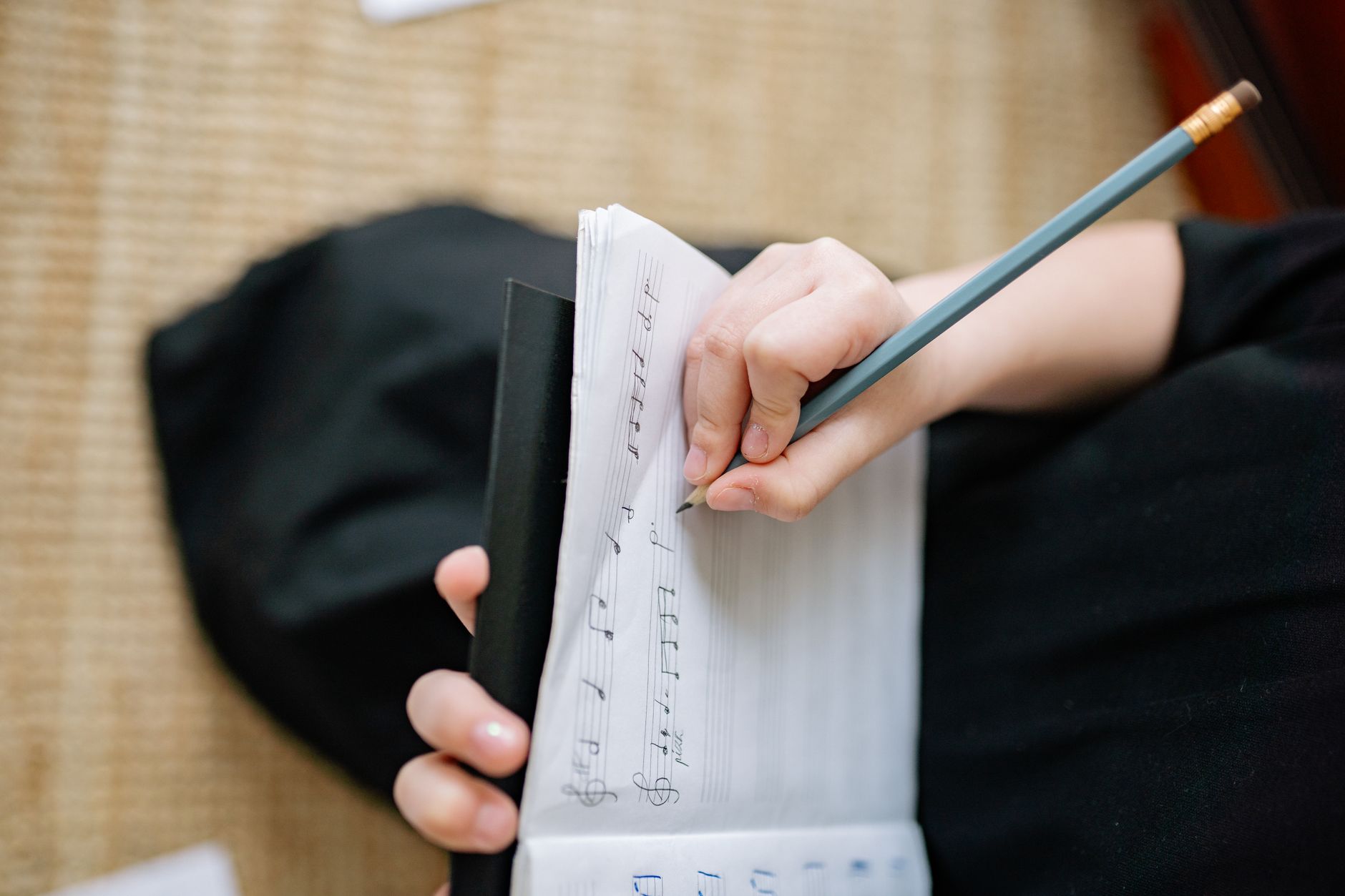
Your song is copyrighted the moment you fix it in a tangible form—written lyrics on paper, recorded melody on your phone, notation in a DAW. You don't need to file anything for copyright to exist. That's US law.
But automatic copyright and registered copyright are two different levels of protection. Registration with the US Copyright Office creates a public record, allows you to sue for infringement in federal court, and makes you eligible for statutory damages and attorney's fees if someone steals your work. Without registration, you can't file a lawsuit. You're left with a copyright that exists in theory but has no enforcement mechanism.
Registration also establishes a legal presumption that your copyright is valid and that the facts in your certificate are true. If you register within five years of publication, courts assume you own what you say you own. That shifts the burden of proof to anyone who challenges you.
What Copyright Actually Protects in a Song
A song has two separate copyrights: one for the musical composition (melody, harmony, lyrics, arrangement) and one for the sound recording (the specific recorded performance). You register them separately.
The composition copyright protects the underlying musical work—the notes, chords, lyrics, and structure. This is what you'd write on a lead sheet or in a DAW's MIDI editor. It covers any version of the song, whether you perform it, someone else covers it, or it's arranged for a different instrument.
The sound recording copyright protects the specific recorded version—the mix, the performance, the production choices. If you record your song, you own the sound recording. If a label records it, they typically own the sound recording while you (or your publisher) own the composition.
Copyright does not protect song titles, chord progressions by themselves, or general ideas. You can't copyright the concept of "a breakup song" or a I-IV-V progression. Protection starts where your specific creative expression begins—the particular melody, the exact lyric phrasing, the unique arrangement choices.
How to Register Your Song with the US Copyright Office
Registration is straightforward. You file online through the US Copyright Office's eCO system at copyright.gov. The process takes 15–20 minutes if you have your materials ready.
Step 1: Create an account at copyright.gov. You'll need an email address and password. The account is free and lets you track all your registrations in one place.
Step 2: Choose the right application. For a single song composition, use Form PA (Performing Arts). For a sound recording, use Form SR. If you wrote and recorded the song yourself and want to register both copyrights at once, Form SR with a checkmark for "work made for hire" or authorship of both covers it.
Step 3: Fill out the application. You'll enter the song title, your name as author and claimant, the year of creation, and whether it's been published. "Published" means distributed to the public—released on streaming, sold as a download, pressed on CD. If you only performed it live or shared it privately, it's unpublished.
Step 4: Upload your deposit copy. For an unpublished composition, upload a PDF of your lead sheet, lyric sheet, or audio file. For a published sound recording, upload the audio file in MP3, WAV, or FLAC. The Copyright Office accepts most common formats. If you're registering a physical CD, you'll mail two copies instead.
Step 5: Pay the filing fee. Online registration for a single work by one author requires a filing fee. If you register multiple songs as a collection (unpublished works by the same author, or published works from the same album), you can use the group registration option for the same fee. Paper registration costs more and takes significantly longer.
Step 6: Wait for your certificate. The Copyright Office issues a certificate once they process your application. Processing time varies depending on their backlog. Your registration is effective as of the date they receive your application, not when they issue the certificate. You can check status online.
When to Register: Before or After You Release
Timing matters. You can register before or after publication, but earlier is better for legal protection.
If you register before publication or within three months of publication, you're eligible for statutory damages and attorney's fees if you sue. This makes lawsuits financially viable even when actual damages are hard to prove.
If you register after that three-month window, you can still sue, but you're limited to actual damages (lost revenue, infringer's profits) and you pay your own legal fees. Proving actual damages is expensive and uncertain. Most infringement cases aren't worth pursuing without statutory damages on the table.
Best practice: register as soon as you finish a song, or immediately after release. If you're releasing an album, register all tracks together as a collection before the release date. Once you've distributed your song through services like DistroKid or TuneCore, you're published—the three-month clock starts. SONIQ may earn a commission from these links. For more on choosing a distributor, see our comparison of DistroKid vs TuneCore.
Common Registration Mistakes and How to Avoid Them
Filing is simple, but small errors delay processing or weaken protection.
Mistake 1: Listing the wrong claimant. The claimant is the copyright owner—usually you. If you co-wrote the song, list all co-writers. If you signed a publishing deal, your publisher may be the claimant. Get this right or you'll need to file a correction later.
Mistake 2: Forgetting to register the sound recording. If you only file Form PA, you've registered the composition but not the recorded version. Someone could sample your recording without permission and you'd have no federal claim. File Form SR or check both boxes on the application.
Mistake 3: Registering too late. Waiting until after someone infringes means you've lost statutory damages. Register as part of your release checklist, not as a reaction to theft.
Mistake 4: Using the wrong title. Register your song under the title you're releasing it as. If you later change the title, the registration still covers the work, but it's harder to prove in court. Consistency matters.
Mistake 5: Not keeping your certificate. Download and save your registration certificate when it's issued. You'll need it if you ever license the song, join a PRO, or file a lawsuit. The Copyright Office charges a fee to retrieve copies later.
What Happens If You Don't Register
Your copyright still exists. You still own the song. But you can't enforce it in federal court, which is where copyright cases are heard. You'd need to register before filing a lawsuit, and you'd lose the statutory damages and attorney's fees you would've had if you'd registered earlier.
In practice, unregistered copyright is a deterrent at best. It stops casual theft—someone who respects IP law won't steal your work just because it's not registered. But it won't stop intentional infringement, and it won't help you recover damages after the fact.
Registration also helps with licensing and publishing. Music supervisors, sync libraries, and publishers expect registered works. It signals professionalism and makes due diligence easier. If you're serious about monetizing your music, registration is part of the infrastructure.
If you're building a catalog and want to present your work professionally online, a solid web presence helps. For examples of what works, check out our guide to musician website examples. A reliable host like HostGator keeps your site and catalog accessible.
Frequently Asked Questions
Do I need to copyright every song I write?
Copyright exists automatically, but you should register any song you plan to release, license, or enforce. If it's a demo or sketch you'll never publish, registration isn't urgent. For finished work, register before or within three months of release to preserve full legal protection.
Can I copyright a song I co-wrote with someone else?
Yes. List all co-writers as authors and claimants on the application. Each co-writer owns an equal share unless you have a written agreement stating otherwise. All co-writers should agree on registration details before filing. For more on collaboration, see our guide on how to co-write a song.
How long does copyright protection last?
For works created after 1978, copyright lasts for the life of the author plus 70 years. For works made for hire or anonymous works, it's 95 years from publication or 120 years from creation, whichever is shorter. Your registration certificate doesn't expire, but the copyright itself eventually enters the public domain.
If you're ready to start writing your next song with AI-powered tools that help you structure lyrics and develop ideas faster, try SONIQ and see how it fits your workflow.
Related reading
- What Is Prosody in Songwriting? Match Words to Music
- AI Music Video Generator: What It Can (and Can't) Do
- Free Songwriting AI Online: Write a Full Song in One Click
Photo by Yan Krukau on Pexels